
Story Library

Story Genre Collections
Looking for audio stories in a specific genre?
Browse our genre-specific collections. We have organized our stories into twenty-one genre-specifc collections.
List of GenresSwirls – romance and relationships As Crows Come – crime and suspense Omni-Directional – science fiction 191-second stories |
Through Pane of Glass – Scattered Feathers – memoirs Humor Me! Carousel – childhood |
Red Lantern – travel Moments – poetry Lies and Detection – spies Broken Tree Tales – old ghost towns Edith Patch – nature |
|
Valor – honor and courage Near & Far – fantasy Bus Stop – contemporary, urban |
Cowboy Motel – western Dogwood Blooms – southern Midnight Clouds – horror Lotus – moral and philosophical issue |
The Swirls Collection includes stories about relationships, love, and the complexities of living with others.

From the SWIRLS Collection
Featured story: April 2021
Beckie Blake was the kind of woman who married for life. Her strong religious faith only solidified her determination. She was married for life with three wonderful sons, and the most perfect husband. Then, one phone call changed everything.
“Mrs. Beckie Blake, I am Lisa Paternino and I am in love with your stud husband. He loves me too. So, we’re going to get married. He’s going to divorce you, so he can be all mine. He has such a great body. So warm. So sexy. I just love it when he touches me . . . .”
This is a multiple episode story.
Six Chapters
LISTEN NOW
Dry Wheat Stubble - Chapter 1
Dry Wheat Stubble - Chapter 2
Dry Wheat Stubble - Chapter 3
Dry Wheat Stubble - Chapter 4
Dry Wheat Stubble - Chapter 5
Dry Wheat Stubble - Chapter 6

Sometimes an unexpected email message changes everything . . . .
LISTEN NOW
Accepting Daddy
Meeting Celeste
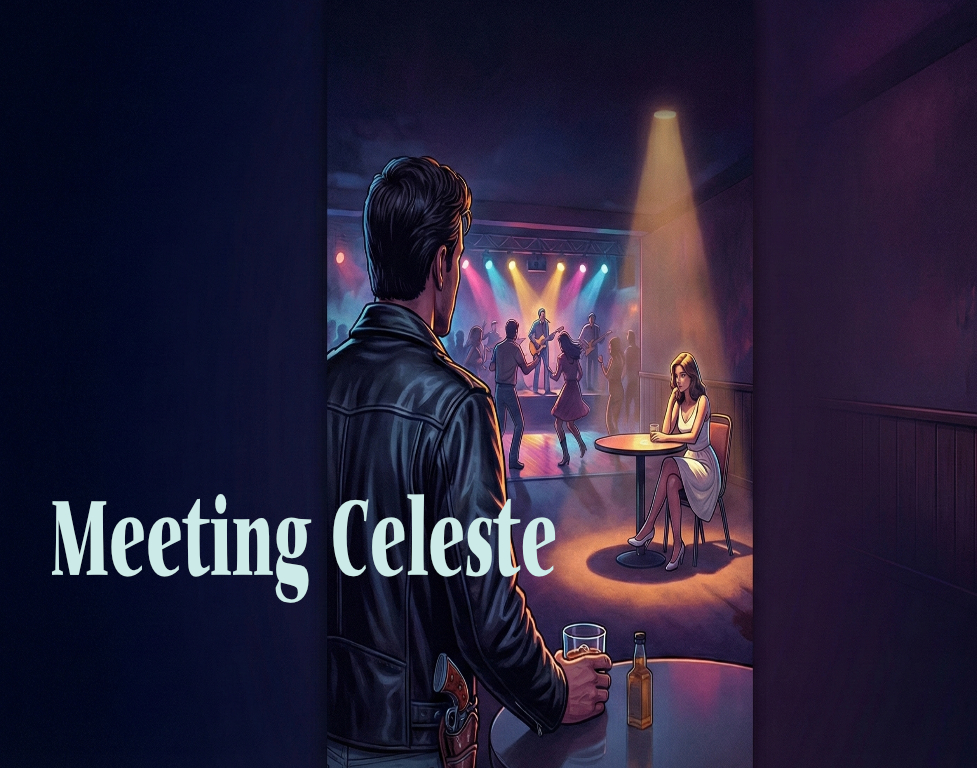
At a quarter to nine in the evening, Rick turned off the computer systems and pulled on his socks and his custom cowboy boots which had been made for him during a trip to Spain. He buttoned his blue-gray silk shirt that he had found in Milan. And, in spite of the muggy, South Carolina heat, he put on his black leather jacket, the one he had discovered in Montreal.
He walked down the open stairwell, then across the parking lot, and over a couple of short blocks to the Ramada Inn hotel where a live band was playing in the Lounge. The Friday night customers were filling all the small round tables around the parquet dance floor. A lot more action than three nights earlier, and this time he had drug along his working partner, Mike.
He brought Mike into the Lounge, sat him at a round table, and ordered him a drink. In the 1980s, South Carolina still required cocktails to be served without alcohol. Customers were handed a small bottle from which they added their own. Mike dumped the whole bottle into his seltzer drink. Scotch and soda is not worth much without the scotch.
With Mike appeased with a drink, Rick appraised the crowd that had gathered at the Ramada lounge.
While the various personal dramas were continuing on the dance floor, the computer guy left his friend Mike and walked over to where the young woman in the white dress was sitting.
LISTEN NOW
Meeting Celeste
As Crows Come is a collection of original stories of crime, mystery and suspense.
Regarding a Murder
Stan Morgan
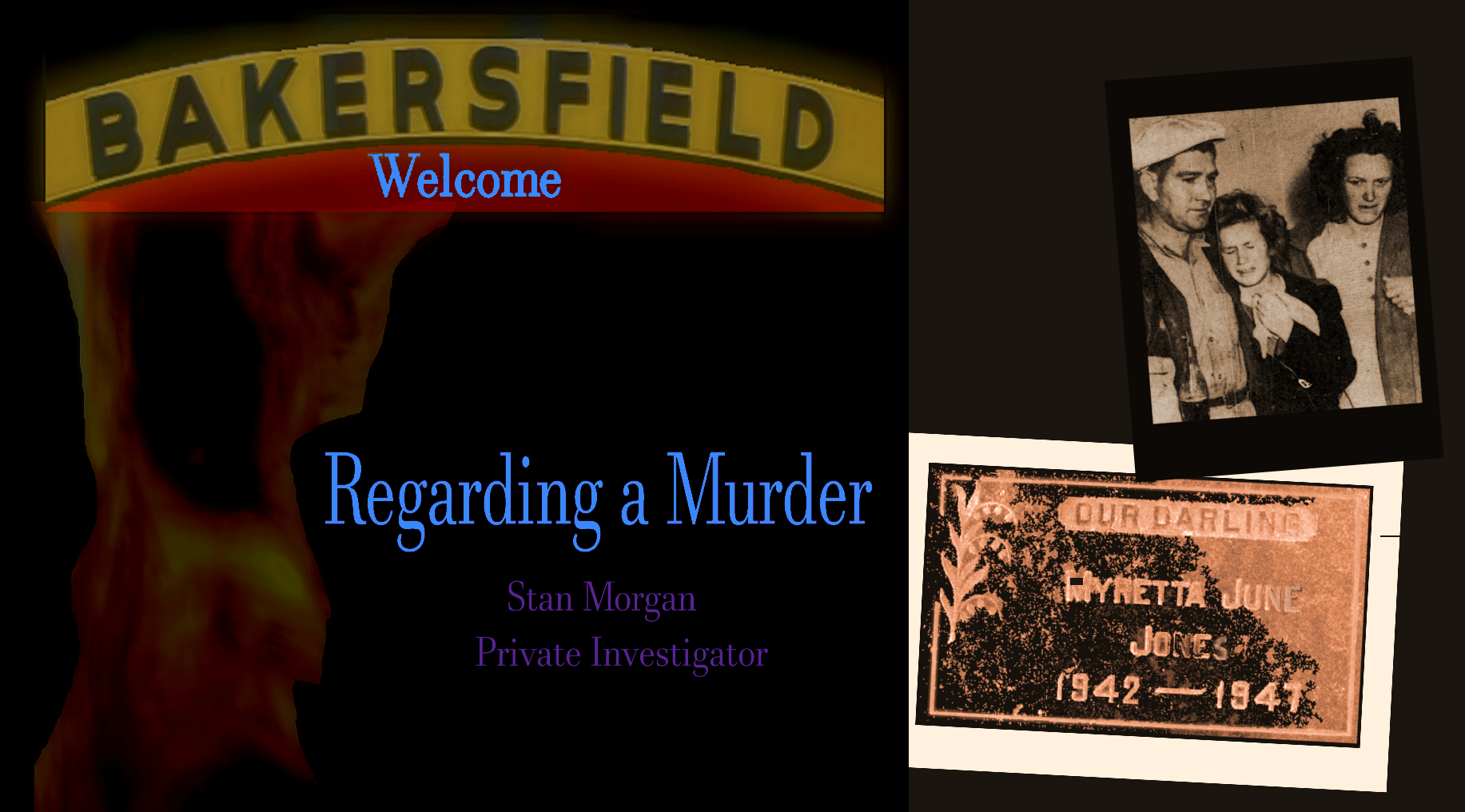
Bakersfield, 1947
A private investigator revisits an old murder, one that impacted him personally and directly.
“It was November 18, 1947. I had just turned eight and was in the Third Grade at Wayside Elementary School in the southern edge of Bakersfield.
Every day, my younger brother and I walked the three-quarters of a mile from our house in the Southgate area to the school. To avoid walking along the busy Casa Loma Highway, we crossed the irrigation canal on a narrow cement bridge, a hundred yards south of the Highway. It was near there that the grisly event occurred.
A kindergartener, a five-year-old girl was murdered the night before, battered innumerable times, the radio said, with a hammer.”
Four Parts.
LISTEN NOW
Regarding a Murder - Part 1
Regarding a Murder - Part 2
Regarding a Murder - Part 3
Regarding a Murder - Part 4

Murder at the Gas Pump
Coughlin, California has only had one murder. Bernard Winslow Schlafer (the Third) was a scion of one of the Central Valley’s richest and most important families. Yet, when the time came for him to assume responsibilities in the family businesses, he left Coughlin for Los Angeles where he eventually produced a sleazy reality game show entitled, “Seduction!”
Barnie S. (as he now prefers to be known) returned to his hometown to seek additional funding from his maternal grandmother for his television endeavor. On his way back to LA, he stops for gas and lottery tickets at the Log Cabin Liquor and Gas. While he is filling his car, a white sedan enters the parking lot. A man emerges and shoots Barnie S. with an AR-15.
The assassination took less than five seconds.
LISTEN NOW
Murder at the Gas Pump
Your content goes here. Edit or remove this text inline or in the module Content settings. You can also style every aspect of this content in the module Design settings and even apply custom CSS to this text in the module Advanced settings.
Hank’s Murder
35 years later, Hank Triffitti’s murder is still listed on the Sheriff’s website as “unsolved.
A true story.
LISTEN NOW
Hank's Murder

Cherry Blossoms at Night
a biological warfare mystery thriller
Appaloosa Radio is pleased to offer a dramatization of the first chapter of Brandon Michaels’ forthcoming novel, Cherry Blossoms at Night — a biological warfare mystery thriller.
In 1945, the Japanese military ordered Operation PX, the release of biological weapons on civilians inside the United States in retaliation of the incendiary bombings of Tokyo. The designated targets were San Diego, Los Angeles, and San Francisco. World War II ended in August of 1945, or did it? This story captures the reality that an apocalyptic event can easily happen and for similar ill-conceived reasoning. COVID was just the beginning.
LISTEN NOW
Cherry Blossoms at Night
Your content goes here. Edit or remove this text inline or in the module Content settings. You can also style every aspect of this content in the module Design settings and even apply custom CSS to this text in the module Advanced settings.

Reflexology
The small business sat in an Austin strip mall between a pizza place and a nail salon, three doors down from a Japanese Sushi restaurant. On its red neon sign was the single word “reflexology.” The proprietor specialized in what he called “oriental foot massages,” stimulating the nerves, and improving a body’s health.
It was 5:45 in the evening, and in mid-December, it was already dark. The red neon “reflexology” sign was visible across the whole parking lot. None of the signs from the other businesses had yet switched on.
In the foot-massage client waiting area, the proprietor sat on one of the chairs, looking intently at his phone. After five or six minutes, he got up and walked outside. In front of the sushi restaurant was a bench where customers of the Japanese restaurant sat while they waited for their to-go orders. He sat on the bench and lit a cigarette.
He finished his cigarette, glanced at his phone, and then stood up.
Thirty seconds later, he lay on the sidewalk, dead. He fell face down. next to the red wooden bench in front of the sushi restaurant.
No one remembered hearing a shot.
Near and Far
A collection of stories from the realms of fantasy.

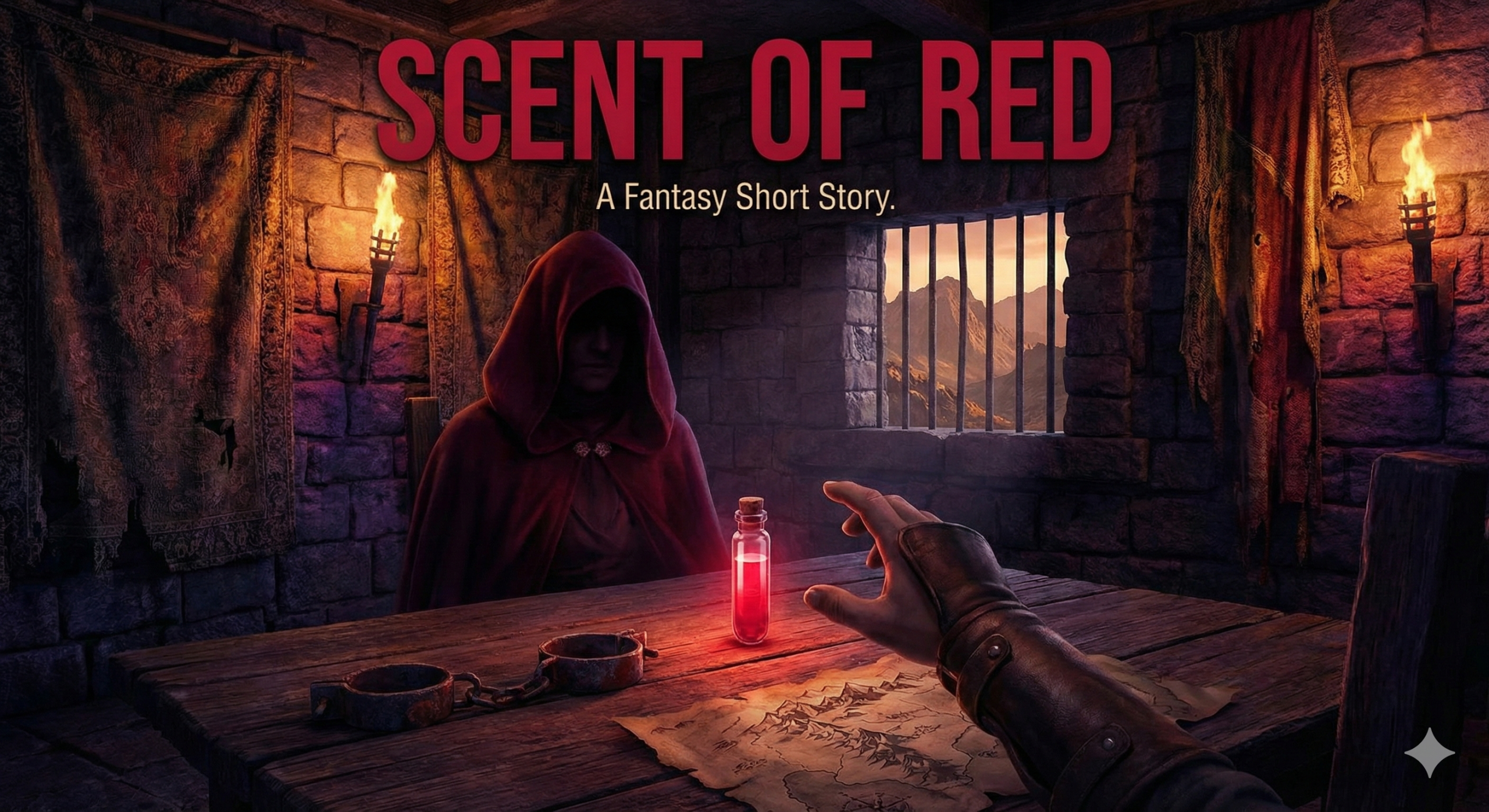
Brit Lord shares a snippet from her latest “Kit the Thief” fantasy series.
LISTEN NOW
Scent of Red

LISTEN NOW
The Little Onion
Award-winning writer, Cle Curbo reads a selection from his “Seven Witches” fantasy.
LISTEN NOW
Seven Witches

LISTEN NOW
Spectral Dreams - Part 1
Spectral Dreams - Part 2
Spectral Dreams
An excerpt from the novel — WereWorlds
By Roberta “Bert” Davis
This story originally was published in the September 2013 Anthology – The Moving Finger Writes… by the Sacramento Suburban Writers’ Club

A collection of original science fiction stories.

Award winning writer, M.L. Edson tells of a time when there is no water. None. Desiccated. Scorched. Saving the merest drop of water is a crime punishable by prison. A science fiction work of the highest order.
===
This work appeared originally in the anthology, From a Writer’s Finger to a Butterfly’s Wing. It is used with the permission of both the author and the Sacramento Suburban Writers.

LISTEN NOW
ARID
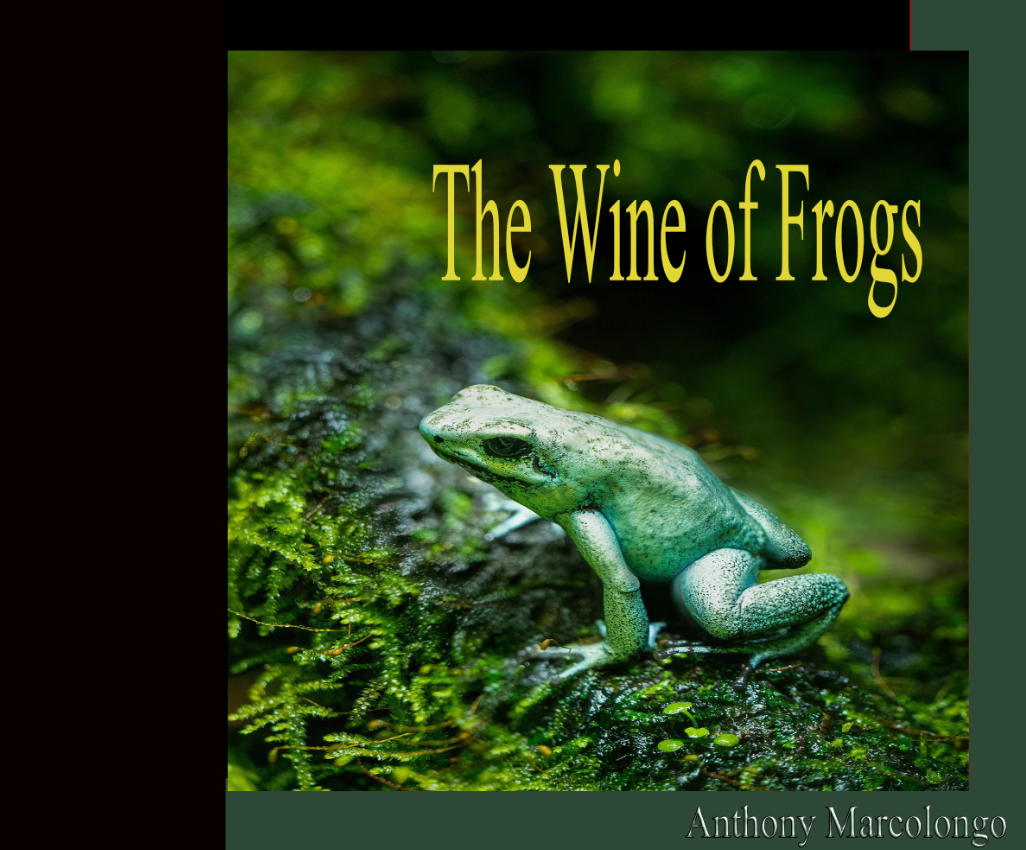
The Wine of Frogs
by Anthony Marcolongo
Indefinite longevity. Lengthening human life spans to millennia instead of decades. The firm had been working for years and had finally achieved a major breakthrough. However, its founder had other, more sinister plans.
This story was originally published in the anthology, The Moving Finger Writes…
LISTEN NOW
The Wine of Frogs

featuring –
O.ss.K A-a ar 44-070-256, Lauren’s “EeKK//”
Imagine a time (in the not-too-distant future) when EeKK//s do all the work.
In this episode, Lauren joins a “General Strike” to protest a grave social injustice, and O.ss.K.ar 44-070-256 has to take swift action to prevent harm from coming to her.

LISTEN NOW
The General Strike
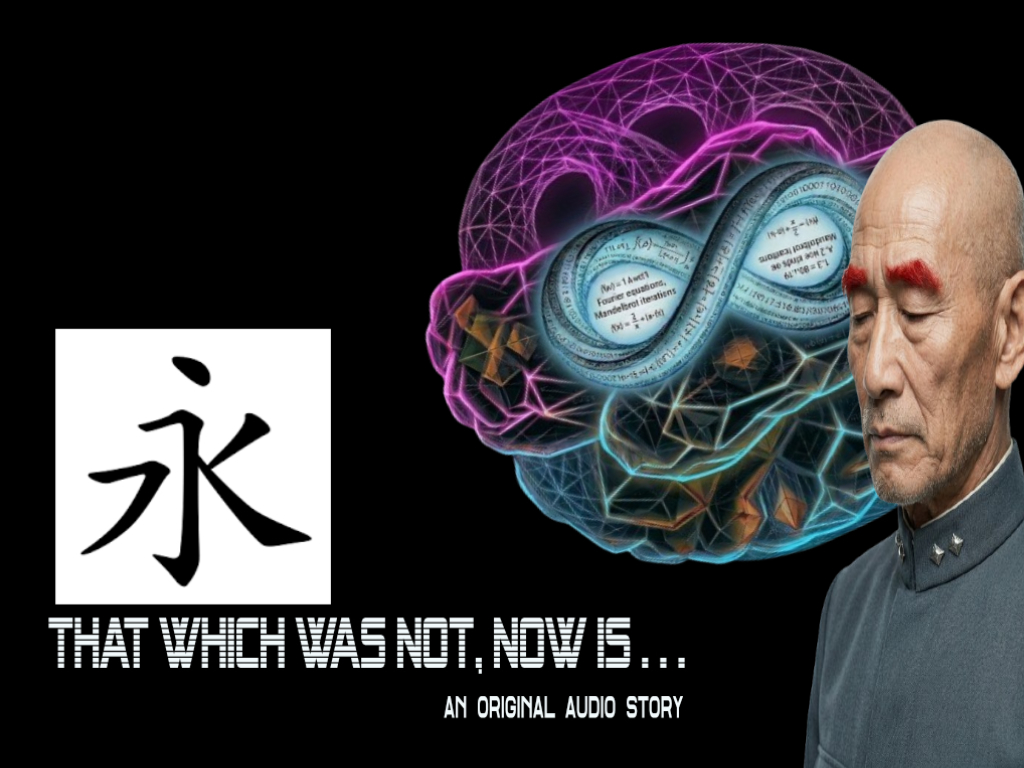


“Lell is where information is acquired, bartered, stolen, resold, confirmed, and falsified. Rumors, rumors about rumors, and the possibility of even more rumors fill the luxury suites with spies of every shape, size, language family, and quadrant of origin.”
Appaloosa Radio offers the City of 4000 Spies science fiction series featuring Noble Son Dusko Rarrko, the director of undercover clandestine information gathering activities and espionage for the tiny (but extremely resource rich) Dominion of Sassko.
The Dominion or Sassko is frequently pitted against the two principal powers, the militaristic Empire Sha Yot and the venerable Kingdom of Gje To maintain its independence, Sassko remains avowedly neutral, while actively gathering information and covertly acting from its own national interests.
Listen to the ten stories in the series

Listen Now
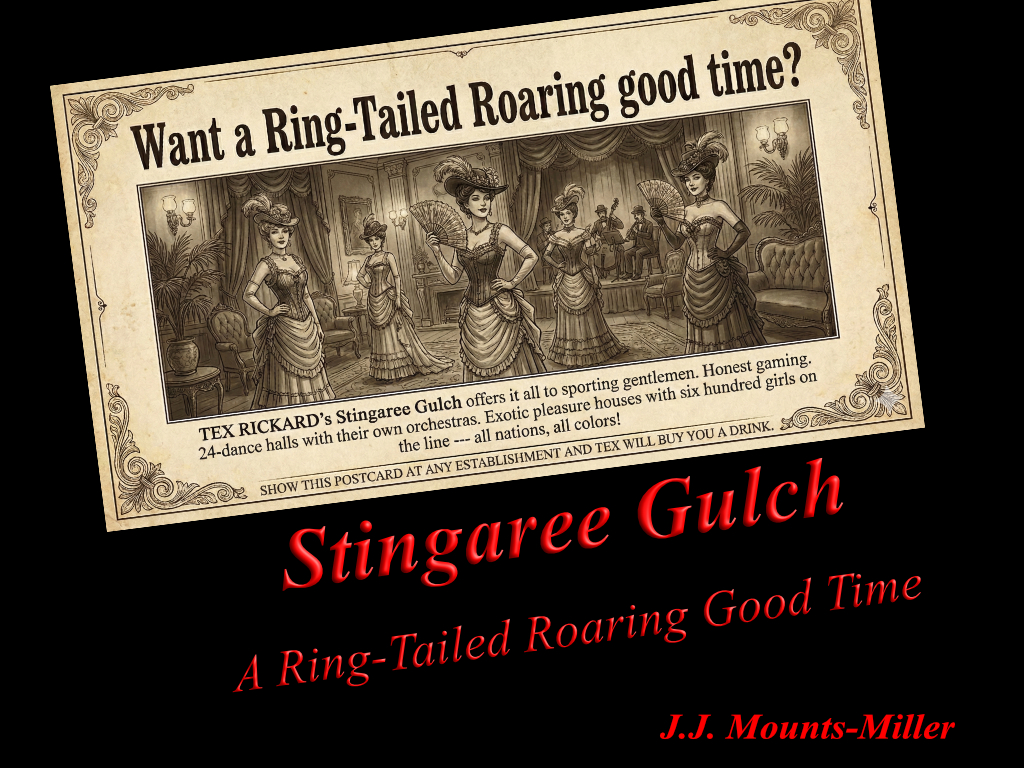
Stingaree Gulch -- A Ring-Tailed Roaring Good Time

A collection of extremely short stories — always less than five minutes listenting time
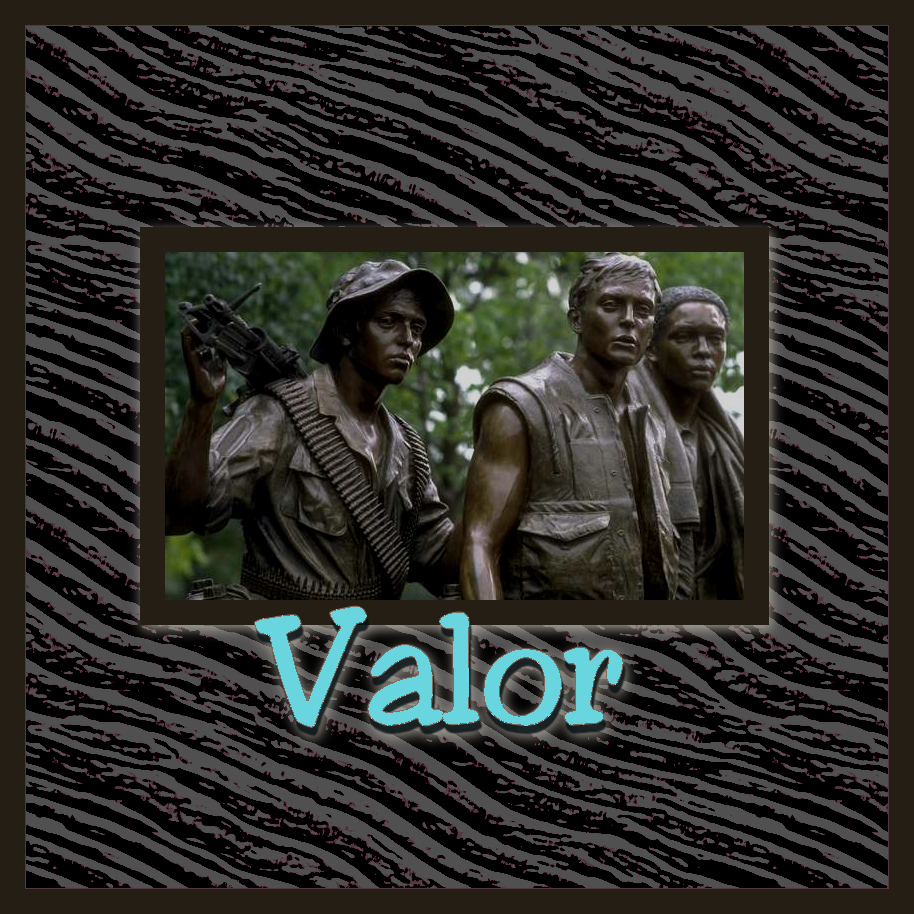
Valor
A collection of stories exemplifying courage, honor, duty, and sacrifice.

LISTEN NOW
Appaloosa Radio Presents
Escape
Escape!
A work of fiction based on a true story
In four parts
Nearly 23,000 American soldiers were captured during the Battle of the Bulge. Among them were three G.I.s from Western Pennsylvania serving in the 422nd Infantry Regiment of the 106th Infantry Division who were captured on December 19, 1944.
This work of fiction tells about their escape from the notorious Stalag IV-B P.O.W. prison and their eventual (and eventful!) return to the medical amenities of Camp Lucky Strike.
The events included in this part occurred northeast of Leipzig, near Sieben-Arm-Säule during early April 1945.
It is a work of historical fiction based on the actual experiences of Vernon J. Cumberland, Bruce Waldo, and Horace Catheay, to whom it is dedicated.
Escape - Stalag IV-B
Escape - Time to Go
Escape - A Bluff
Escape - Surrender and Return
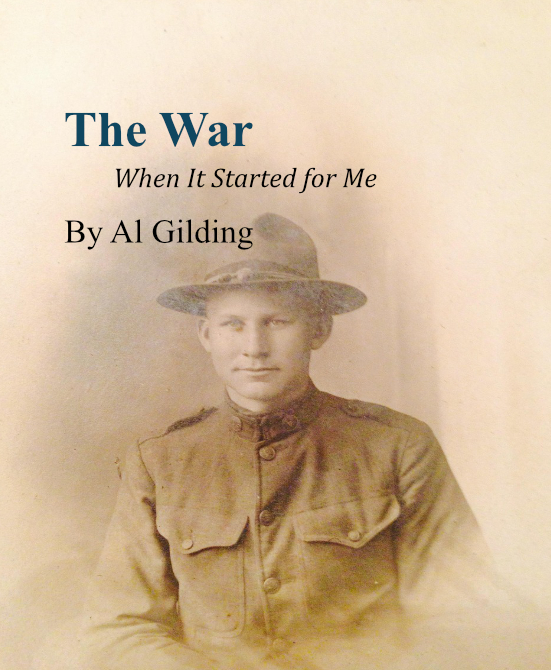
In this memoir, Al Gilding tells about how the war came into his life in rural Maine during December 1941.
LISTEN NOW
The WAR

Nord, North, Norte
by Thomas Hessler
On a sunny day—in this part of the country they are all sunny—the team was to fire a V-2 from south to north, as had been done many times before. As a part of the shoot, the rocket was programmed to rise vertically immediately after ignition, and then to heel over, under power, into an attitude that would effect more-or-less horizontal travel. Horizontal travel is necessary as there is little more useless—or hazardous—than a rocket launching straight up and then falling straight down.
The rocket launched at precisely 0800 hours. It rose vertically for the intended 7.3 seconds before it started its “heel,” translating to a trajectory 43 degrees from the horizontal into a precise 11.3 second burn before the rocket engines expired, the rocket now heading south. SOUTH??? Oh Shit! This particular remark was spoken simultaneously, in precision, and in at least five languages—an international expletive, if you will.
LISTEN NOW
Nord. North, Norte

~ Lotus ~
The Lotus Collection features stories contemplating lingering philosophical and ethical issues.

A work of philosophical fiction.
This fictionalized love story is based, in large part, on the romantic relationship between the political theorist and devoted Zionist, Hannah Arendt, and her university professor, the noted German philosopher (and avowed Nazi) Martin Heidegger.
Arendt’s The Origins of Totalitarianism remains a major work of Twentieth Century political thought.
Heidegger’s seminal work, Being and Time, is often credited as the origin for modern existentialism.
Arendt met Heidegger when she was seventeen and he was thirty-five.
Two-part story.
LISTEN NOW
Martin, A Work of Philosophical Fiction
Martin, A Work of Philosophical Fiction

tautologies
By J. J. Mounts-Miller
For Appaloosa Radio
October 2024
I have been thinking a lot about something I read in a magazine. I had read: “Brain waves spike during death.”
Researchers found that in the process of dying, brain activity increases. When it is graphed, it represents a distinct series of sharp, upward spikes. Before these spikes, there is usually a period of low-level dormancy, typically a relatively flat line of limited brain activity. Then, during death, brain wave activity spikes.
This has taken me into an extended philosophical meditation about logical truth and the nature of consciousness.
LISTEN NOW
tautologies

Moral Obligations
It had been days since either of them had eaten. They were the pioneers sent out by the colony to find the resources the colony needed to survive. They had crossed the vast emptiness and now were in the deep labyrinth where passage was slow.
The smaller one wasted their time talking about philosophical issues, particularly moral dilemmas. “Did you know, “he pondered, “for the price of a special, iced coffee latte in an upscale coffee shop, you could pay for the cataract surgery for someone in the less developed world?”
“So?” said the older, larger one who was missing an eye from a long-ago fight.
“It is a moral dilemma. Buy a spiced, iced coffee latte or pay for an eye surgery.”
“What is the dilemma?” snarled the one with a single eye. “If you’ve got enough crust, buy whatever you want. It is your money.”
“Still, I think it is moral dilemma. What should we do?”
Not bothered with such nonsense, the larger one responded. “I think we need to find something to eat, soon, so we can do what we were sent to do.”
LISTEN NOW
Moral Obligations

As a four-year-old, every afternoon he would help his grandfather feed the rabbits. When the man with the big truck would come and take some, He thought the rabbits went away to some happy place to be with their friends. Only later, he learned the truth.
A 191-second story
LISTEN NOW
Where Did the Rabbits Go?

Humming Birds
LISTEN NOW

After 47 years in her desert cocoon, avoiding human contact, Dr. Helen Goldman emerges to receive a prestigious award in theoretical mathematics. In her very anticipated acceptance talk, she reveals her own story.
She was a practicing clinical psychologist whose clients included many major television and movie celebrities. At a party, she was introduced to the drug LSD. “Ladies and gentlemen, I had never had a more passionate, a more pleasurable, a more satisfying experience than listening to Wagner’s operas while on LSD.”
The drug also unleashed her considerable (but previously unknown) talent in theoretical mathematics.
She left her comfortable Los Angeles lifestyle for a desert shanty where she was free to do only mathematics. To overcome the prejudices of the powerful “special elect” who control what ideas are to be published and shared, she resorted to deception and manipulation. “Had I not packaged my ideas as I did, they would probably never have been published.”
Her strategies worked. In the introduction to her award, the speaker calls her “an individual of extraordinary brilliance. A mind of unlimited capacity. A master mathematician.”
LISTEN NOW
Original Genius of Pure Brilliance

Contemplating Evil
An elderly college professor contemplates the nature of evil after he finds an old photograph proving that his own father had been an instrumental participant in the lynching of Leo M. Frank, one of Georgia’s most notorious vigilante murders.
~~~
An audio story which includes original, period-specific music performed by: The Howlin’ Wolf, Vernon Dalhart, and Billy Murray
LISTEN NOW
Contemplating Evil
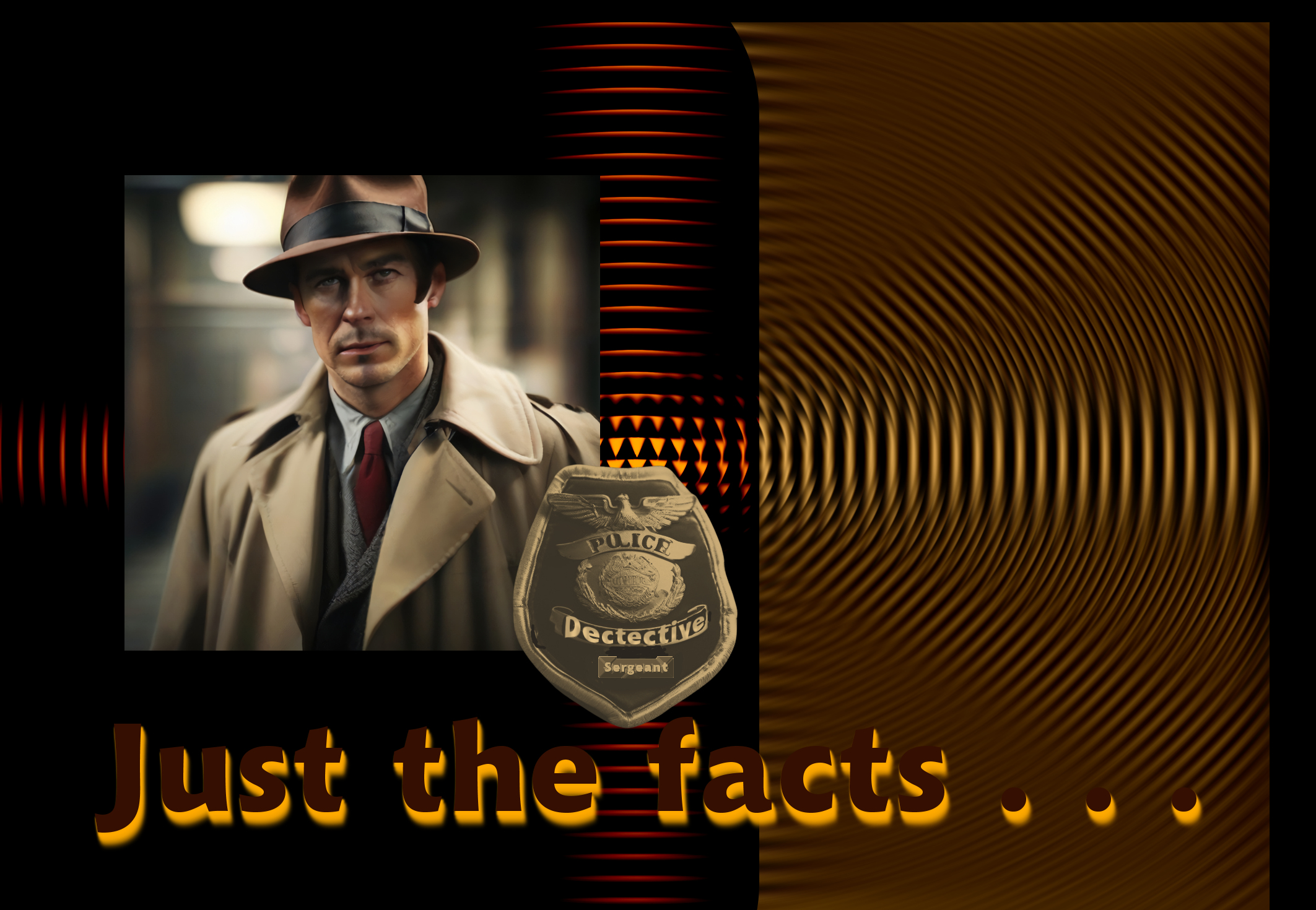
The Facts,
Just the Facts
“He had done this hundreds of times while working on hundreds of cases. The grizzled, veteran, police detective sergeant checked his notepad for details, and then he turned to the eyewitness to confirm the facts. His job was to confirm the facts. “Just the facts,” as the fictional radio detective Sergeant Joe Friday did every week on the show, Dragnet.”
The police dectective believes that there are facts. Discoverable, evidence-based facts. Hard facts, as the detective sergeant would say. Facts. Not fictions.
Facts are as real as bullets, burglaries, bullies, and bastards.
Facts are discovered. Uncovered. Revealed. They are not made up. Not mere possibilities. Not speculation.
Put all the facts together and you have a whole picture. You know what happened. You know what really occurred. You have the facts.
Yet finding the facts is more obtuse than it seems. In truth, it may not even be possible. Determining which purported events occurred and which did not may ultimately prove fruitless.
LISTEN NOW
Facts -- Just the Facts

Bus Stop Collection
Contemporary urban stories.

Last December before Christmas he placed third in the Regional Finals for the Mr. Perfect Body competition. The year before, he had placed second, just seven tenths of a point behind the winner. Then, he had been a winner. To celebrate he had an artist tattoo a full-color version of Leonardo DaVinci’s “Last Supper” across his pects and abs. It cost him nearly a thousand dollars and took the artist nearly a full day, and the pain was so intense that he couldn’t do a full workout for nearly three weeks.
LISTEN NOW
Tattoo
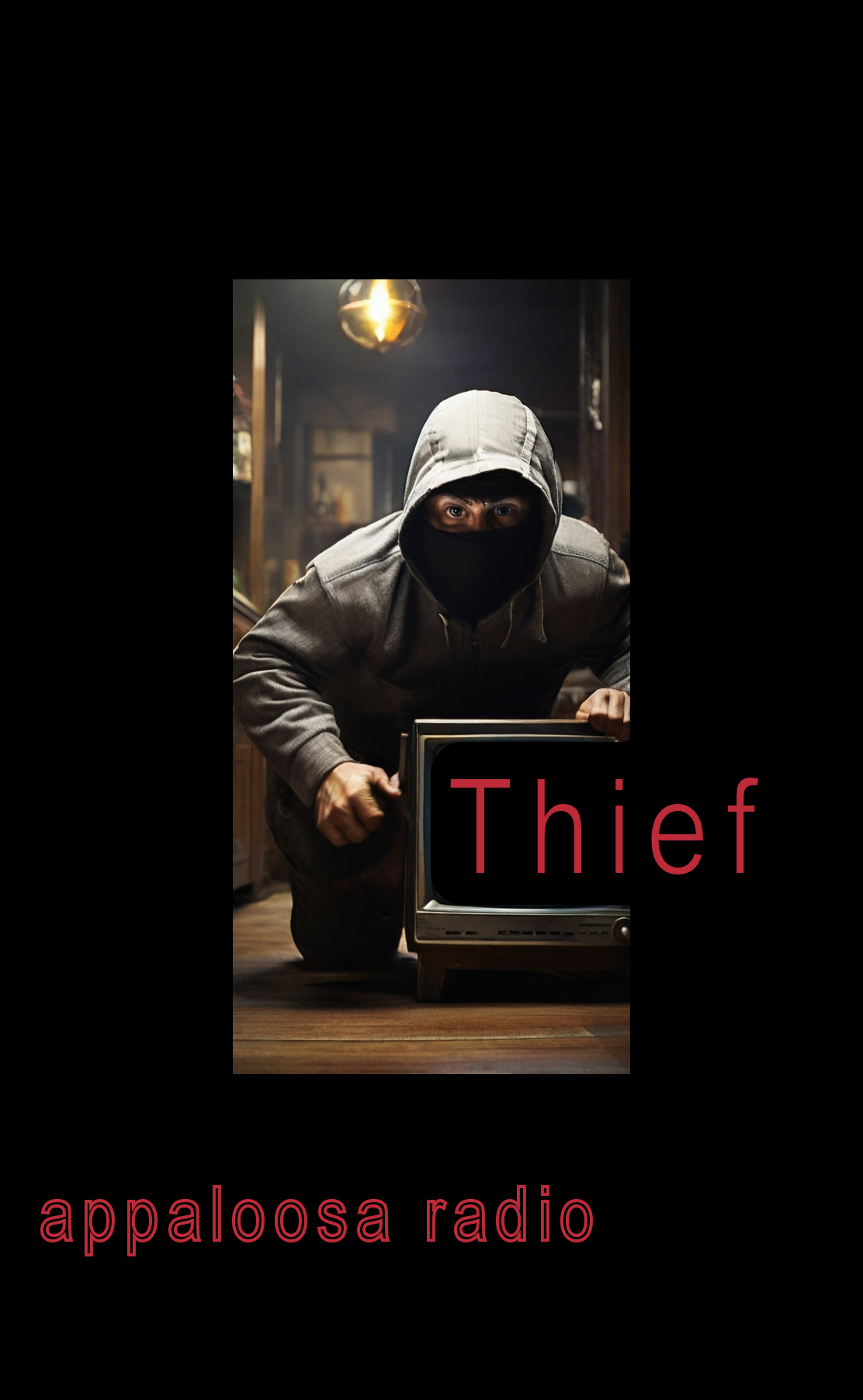
A couple days later, Danny showed me a wad of money. He was in a bragging mood. “You know that carton of cigarettes our grandfather got so bent up about? Well, I sold it to a kid at school. A dumb kid. He paid me $15 for it; twice what it cost to originally buy. Nice profit. Dumb kid.”
LISTEN NOW
Thief

Furious
D.R. Nichols has integrated rap and narrative fiction to tell of a “demon” driver and his red sportscar.
“You hate me // You know you do // You’d blast me with rockets // Machine gun me to utter annihilation // Demand the fates pelt down fierce brimstone // If you could //
If you could // Really // If I would // Let you catch me // Let you catch me // But you can’t // No, you can’t // No one // Nobody // Can ever catch me. //
I’m uncatchable // I’m remarkable // I’m unbreakable // I’m unshakeable // I’m unstable // The legendary // Terror of the road // Furious // Infuriating // Insulting
LISTEN NOW
Furiious

The Kid had new eighteen-hundred dollar shoes that the Veteran admired. He made a bet that he knew he could never lose.
“One game, one-on-one for your shoes. Your shoes against mine. Gym rules.”
“Gym rules. Sure. I’ll give you first outs.”
“Dumb as they come,” the Veteran told himself. Knowing it would be easy.
Gym rules. They played to 15.
But it was not even close.
The Veteran drove home in his aging convertible, barefoot. Muttering out loud about his continuing bad fortune.
LISTEN NOW
Shoes
Blame

Are my psychoses the result of my primordial ancestor’s survival adaptation? Is my kill or be killed passion for chocolate the result of a clever individual’s trick to avoid being eaten by a predator? Are my acute neuroses that are activated whenever I cross a high bridge, a means that a cliff-dwelling predecessor used to avoid falling to their death?
My best friend from college emailed me that he had just finished a hefty tome on Evolutionary Psychology. He said that it had taken him three weeks and that as a result his brain is the “consistency of mush.” He said the book was “excessively complicated” and used “a unique vocabulary, the purpose of which seems to be to allow those who use it to hide their ignorance and inability to communicate their ideas clearly.”
Not much of a recommendation for a book!
LISTEN NOW
Evolutionary Psychology

Lies that salesmen tell.
LISTEN NOW
Lies of a Saleman

An itinerant musician gets off the Sacramento light rail train and brings his bicycle, guitar, and other belongings to where a group of frustrated and perspiring bus riders are waiting in the hot August sun for a very late eastbound bus. He announces, “I’m riding up to Truckee. Some of my old friends are performing in a club up there. I’m hoping to do some riffs with them.”
Then, he adds “I’m going to ride all night. I think I’ll be in Truckee about dawn, maybe a little later.”
It surprises no one that he is killed while riding on the Interstate highway in the dark.
But then, the inexplicable adventure begins.
~~~
A ten-chapter audio story with original music.
LISTEN NOW
Chapter 1
Chapter 2
Chapter 3
Chapter 4
Chapter 5
Chapter 6
Chapter 7
Chapter 8
Chapter 9
Chapter 10

The morning fog had begun to lift around the pier, and the weekend tourists were starting to leave their hotel rooms for a day at the beach.
The one-armed guitar player opened his guitar case and carefully removed his Les Paul Deluxe 3 E X model from its well-padded home.
He began a soft jazz riff matching his mood and the weather.
LISTEN NOW
One-Armed Guitar Player

Many contemporary hi-tech employees ride express commuter buses daily to and from their work sites. Larry Connors is just one of the many. He is a numbers guy, a veritable filing cabinet for numbers, whose speciality is making fiscal projections, doing benefit analyses, and generating cost-to-price determinations.
Unfortunately, Larry is also a “quasi social isolate” who stares at his own shoes to avoid eye contact with others. As the story begins, Larry’s personal life has been reduced to doing his laundry, playing with his dog, and watching old movies on television.
One morning, when he boards his usual commuter bus, everything changes. He is no longer who he is. He is now living another’s life and he is a stranger in his own body.
Go to the story series

Through Panes of Glass
Personal stories connecting times, people, and experiences.

I take a deep breath to calm myself, feeling nervous energy snake and coil through my veins. I stare hard at my reflection, my deep amber-colored eyes, to remind myself, I am me; I am still here. “Let’s go.”
Story originally published in the anthology – Other People, Other Places, Other Times. September 2020 by the Sacramento Suburban Writers’ Club.
LISTEN NOW
An Appointment

The Pond
A 191-second story
For Appaloosa Radio
Three times a week, Owen Namura drove his mother from her mobile home to the pond in the park. He would unload her walker and then assist her to walk the 200 yards to the stone wall surrounding the pond, and then help her to sit on it.
Once she was situated, each would smoke a cigarette. He used to smoke a cigar, but she did not like its smell. So, he chose mentholated cigarettes instead.
They would look at the pond, but neither would speak. Then after twenty minutes or so, Owen would help his mother to stand and then assist her as she slowly walked back to the car. As he drove her back to her immaculately maintained mobile home, surrounded by thousands of carefully tended flowers, they would sometimes converse in Japanese.
LISTEN NOW
The Pond
Rewind
By Dianne Pollarino
Robert had been the most intelligent guy in his high school graduating class. Straight A. 1400 on the SAT.
And he played basketball and played it well. Good looking. Great sense of humor. Easy going. Graduated from MIT in three years. Started his own company inventing gizmos that the aerospace industry could not get enough of.
By 30, his net worth approached half a billion dollars.
She had dated Robert while they were in high school. She became a pediatric nurse. With his great sense of humor, he proposed to her in a note pinned in a baby’s diaper!
Now, he was 57 and suffering from advanced Alzheimer’s. Every week, on the online form, she recorded another lost function.
LISTEN NOW
Rewind

As a kid growing up in Brooklyn, I grew up thinking that Chinese food was pretty much the only food to eat when dining out. “If it’s a memorable occasion,” Mom said, “we’ll celebrate with Chinese food.” Of course there were Italian restaurants, Greek, Mexican, and many others, but apparently the food of choice for us was always Chinese.
Story originally published in the anthology – Other People, Other Places, Other Times. September 2020 by the Sacramento Suburban Writers’ Club.
LISTEN NOW
Chinese Food

Unfamiliarity
Since my retirement, I spend almost every Tuesday at our local public library. It is a very comfortable, modern building that houses many things other than just books. For example, you can now check power tools out of the library, and craft supplies, and cake baking pans, and movie DVDs, and original art to hang on your wall. It has Friday night movies, Sunday afternoon music concerts, and kids’ birthday parties.
However, for me, the best is the magazine reading room. To be sure, most magazines are readily available online Yet, I still like going to the library and reading the printed versions of the news magazines in person.
About three months ago, I saw an article in Time magazine that has stayed with me. It was an article about Detroit, more specifically about the cement block wall built in the early 1940s to divide the east and the west sections of the city. That’s correct. A cement block wall erected to divide the city. The wall was funded by some of the city’s largest real estate developers. It was designed to separate the city into a “black half” and a “white half.”
Researchers have studied the impacts of the Detroit wall and have concluded that its impacts were enormous.
Initially, house prices were similar on both sides of the wall, but after twenty years, the houses on the “white” side were worth two or three times those on the “black” side. The “black” side had streets with larger potholes, and the city crews that removed the snow from the streets did the “white” side weeks before the “black side.” The “white” side had more stores, better schools, less unemployment, and significantly lower crime. Far more “white” students went to college. The “white” side had more (and higher quality) hospitals. The “white” side had more parks, more theaters, and more churches. Life expectancy was lower on the “black” side.
On over 200 dimensions, the “white” side of the wall was significantly higher (more positive) than the “black” side.
As I said, the study of the impacts of the Detroit wall remained with me for weeks. Then, I realized that my cousins (although neither African American nor Hispanic) lived on one side of a comparable “wall” and my brothers and I lived on another.
LISTEN NOW
Unfamiliarity
Rubber Stamps
By Jody Carnes-Hart
I have recently retired from my position as the Chief Technology Officer for a large, California State agency. It was my job to move an organization with 4,000 permanent employees from taking its phone messages on pink “while you were out” pads (if you remember those) to an integrated and tightly networked state-of-the-art voice-data-web-video assemblage of information systems. I saw a lot of technological change in my 32 years of professional service.
In my retirement, I have had time to muse about the philosophy of technology. However, I am not interested in ruminating on potential technological changes in some future world. This will not be a work of science fiction. (Sorry Isaac Asimov and Gene Roddenberry fans!) Rather, it will be about a more mundane set of technologies, a set that impacted me very directly. It was a group of technologies that shaped my mother’s life.
LISTEN NOW
Rubber Stamps - Part 1
Rubber Stamps - Part 2


My High School English Teacher Was A Space Alien
The Zylarians were a highly intelligent and technologically advanced species from the distant planet Zylaria. They have a unique ability to manipulate energy fields, allowing them to create powerful shields and weapons. Their appearance could be characterized by shimmering, iridescent skin and glowing eyes, making them visually striking and memorable.
LISTEN NOW
My High School English Teacher Was a Space Alien

Estate Sale
Last weekend, there was an estate sale at a house that is around the corner from ours. The elderly gentleman who had lived there for over thirty-five years had died about a month before. Kathy Hawthorne, who is the unofficial “keeper” of information in our neighborhood, said that he had died at home and that it was a couple of days before his children came over to check on him.
So, last weekend they held an estate sale. About an hour before it closed, we walked over to check things out.
LISTEN NOW
Estate Sale

Glued inside a grandmother’s Bible is a newspaper clipping with a pom written by Amrica’s most popular poet, James J. Metcalfe.
In the 1950s, the so-called “newspaper” poet was read by millions of readers every day, and his greeting card poems were Hallmark’s best sellers. He was even more popular than advice colunist, Ann Landers.
Saving clippings of his poems created cherished momentos, and giving someone one of Metcalfe’s “newspaper” poems was viewed with affection and appreciation.
LISTEN NOW
In Josie's Bible

In June 1979, two brothers drive an electrical contractor’s work truck up to the Mojave Desert from Huntington Beach, California.
They could not be more different. Professor Tomar Hinton is an “up and coming” philosopher now teaching at an exclusive private university in North Carolina. His younger brother, James, is an electrical contractor leading a crew which is constructing huge windmills on the crest of the desert’s mountains. Tomar has returned to his parents’ home to facilitate the funeral arrangements for their father.
James offers his older brother use of the contractor’s work truck, but still needs a ride up to the work site.
The trip up to the desert worksite will take three and a half hours and begins at an “ungodly” hour in the middle of the night. There is no radio in the old truck, and the brothers are forced, as a result, to talk with each other.
An intimate, yet powerful story, of communicating across vast differences.
LISTEN NOW
The Ride

from the Panes of Glass Collection
Jim Mounts-Miller tells his personal story as one of the very last patients with the once devastating Bulbospinal Poliomyelitis disease.
Bulbospinal Poliomyelitis attacks both the brainstem, affecting breathing and swallowing, and the spinal chord, affecting both arms and legs.
Jim entered the hospital with Polio just three months before the release of the Salk Polio vaccines.
LISTEN NOW
Polio

Scattered Feathers
A collection of personal memoirs.

Burned Potatoes
A memoir
By Dorothe D. Kress
LISTEN NOW
Burned Potatoes
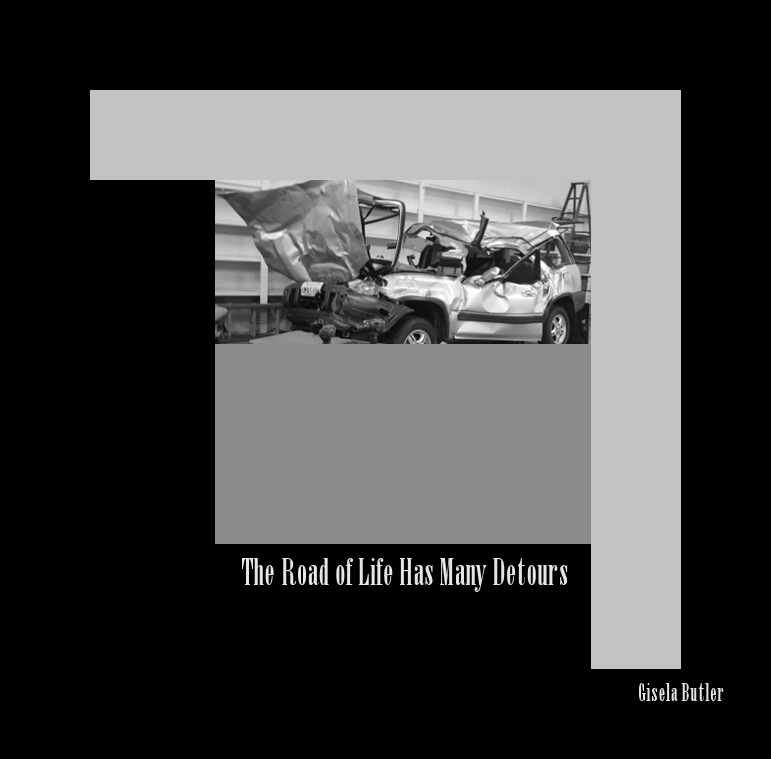
The pick-up truck came over the center divider and became airborne. I could see the wheels of the truck coming in my direction. I just said, “Oh my God, please…”
Instantly, I ducked towards the passenger side. Then I suddenly felt a sharp pain in my ribs. I lay there in pain going in and out of consciousness. That’s all I remember.
I later woke up as my clothes were being cut from my body. Lying on a gurney on my stomach, I figured I was at the hospital. Later, my husband came in.
The doctor gave me morphine for my pain. I was not talking much, just sleeping a lot. Every time I woke, I was in lots of pain but got medication immediately. Pain was my reminder that I was still alive. I knew I had been in a car accident but had no idea how badly it affected me. I also knew my husband was there in the ICU almost all day.
This story originally appeared in the anthology, From a Writer’s Finger to a Butterfly’s Wing, published by the Sacramento Suburban Writers’ Club, 2016.
LISTEN NOW
The Road of Life Has Many Detours

How We Met, 1949
By Barbara Jodry
LISTEN NOW
How We Met , 1949
Midnight Clouds
Stories of Horror


A Graveyard Foggy
LISTEN NOW

Dead Man’s Suit
Every time he wore it, he thought it had a strange odor. It had been dry cleaned multiple times and no one else noticed any sort of odor. In fact, his wife, Wilma thought he looked “spiffy” in it and loved to see him in the double-breasted, brown suit with the faintest of gray pinstripes. “He looks like a movie star,” she proudly told her sister Grace Lynn. Far better in that suit than in the greasy dungaree overalls that he wore most of the time. But truck mechanics don’t wear suits to work in. They work in greasy overalls. The brown suit was for Sunday church and extra special occasions, like when they had gone to the casino and had a steak dinner for their tenth anniversary.
For their anniversary dinner, Wilma had worn a Kelly-green dress with lots of sparkles that matched the brown suit perfectly. She had even insisted that he pay the $5 to get a special color photograph of them together in their finery.
Harlan Royce was a big-chested man and a double-breasted suit looked best on him. A single-breasted suit would make him look bulgy; he would stick out in the wrong places. But, in a double-breasted suit and with a wider, patterned tie, he looked, well, like a movie star!
Still, every time Harlan Royce wore the double-breasted suit, he noticed the smell. The one that no one else noticed.
LISTEN NOW
Dead Man's Suit
Ghosts of the Artic
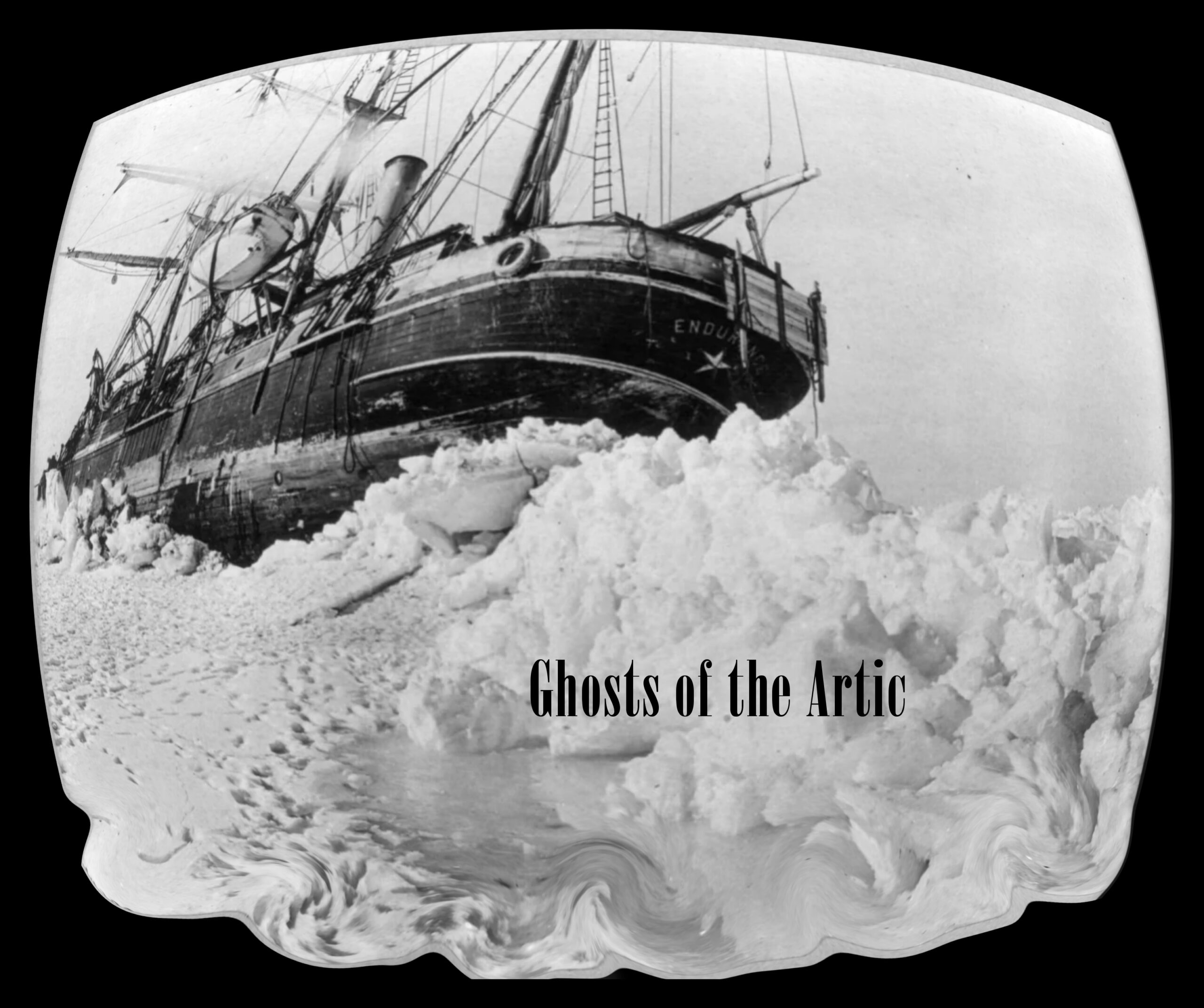
The note was all too brief. It had been placed where they believed it would be readily found, under the cairn marking the exploration of the region by an earlier expedition.
The note simply read:
“25th, April 1848. Her Majesty’s ships ‘Terror’ and ‘Erebus’ were deserted on the 22nd April, 5 leagues North, Northwest of this spot, havIng been beset since 12th September, 1846.
LISTEN NOW
Ghosts of the Artic

Alligator
A Nell Trustmon story of frogotten ghost towns of the American West.
In rural mining communities like Boyce, Colorado, the arrival of the “Alligator Man” created a community-wide celebration. How could any of the Lithuanian miners continue to work in the deep, hard rock silver mine when there was a real, live alligator in town? Gotta see that!
Alligators were hardly rare in places like Florida or the bayous of Louisiana. And almost anyone who visited a zoo in one of the major eastern cities could see a tropical display featuring gators. But, here in the high western Rockies, the alligator was a very rare sight.
The alligator came courtesy of a showman and promoter named Claude Chantt who claimed to have a Ph.D. in reptile herpetology from a university that no one had ever heard of. “Professor” Chantt (as he preferred to be called) travelled among the mining towns of the West driving a 1917 Ford Truck, pulling a large, brightly painted metal tank filled with water and containing a 15 foot alligator. He charged patrons fifteen cents each to watch his “demonstrations” of the reptile’s cunning capabilities. Each “demonstration” ended with Professor Chantt climbing a tall metal ladder next to the alligator’s tank, and then holding out a long fishing pole with a hunk of chicken attached to it. He would encourage the animal to perform, and within a minute or two, the alligator would jump up out of the water ten feet or more and grab its meal from the end of the pole.
In the evenings, after the last feeding demonstration, local children would often slip beneath the canvas fence that the Professor had set up to block the view of the non-paying spectators, and in a mixture of awe and fear, watch the alligator.
LISTEN NOW
Alligator

LISTEN NOW
Poison Gas - a horror story

Missives
a ghost story
By M. L. Edson
LISTEN NOW
Missives
Stories of travel and adventure.

In The Shadow of a Lion
By M.H. Brandt
LISTEN NOW
In The Shadow of a Lion

Uzbekistan Diary
Barbara Jodry
The Road to Samarkand
LISTEN NOW
Uzbekistan Diary

The Wagon Train
A modern adventure
By Tammy Andrews
LISTEN NOW
The Wagon Train

Cowboy Motel
Stories drawn from the American West.
Gambler’s Boots

Gambler’s Boots
The Robbery of the Overland Express Train
As re-told by Officer JAMES H. KINKEAD, the officer who arrested the perpetrators
In this episode, we share an original historical document. It has not been fictionalized.
Former Washoe County Undersheriff, Officer James H. Kinkead died June 9,1912. Among his papers and effects, Jim Kinkead’s family found a pencil-written manuscript telling about the robbery of the Overland Express Train # 1 on November 5, 1870, and about Kinkead’s role in apprehending the perpetrators.
Central Pacific’s Train No. 1, the “Overland Express,” carried bags of newly minted gold coins for the monthly payroll of the Yellow Jacket Mine. The train robbers believed that they were stealing a haul worth over $60,000.
The manuscript contained a poignant note. “Of the many officers who took a prominent part in the arrest and conviction of the train robbers, all are now dead save me. I was the one who followed the faint, small-heel footprints through the mountains until they led me to the lair of the robbers. I was also the officer who collected most of the evidence used at the trial. For these services, I received most of the large reward.”
~~~~~
Jim Kinkead’s manuscript is now housed in the Nevada State Archives.
Music — Ballad of the Well-Known Gun by Elton John. Recorded in his Tubleweed Collection (1970)
LISTEN NOW
Gambler's Boots

LISTEN NOW
Man with the Perpetual Couigh
The Man With the Perpetual Cough
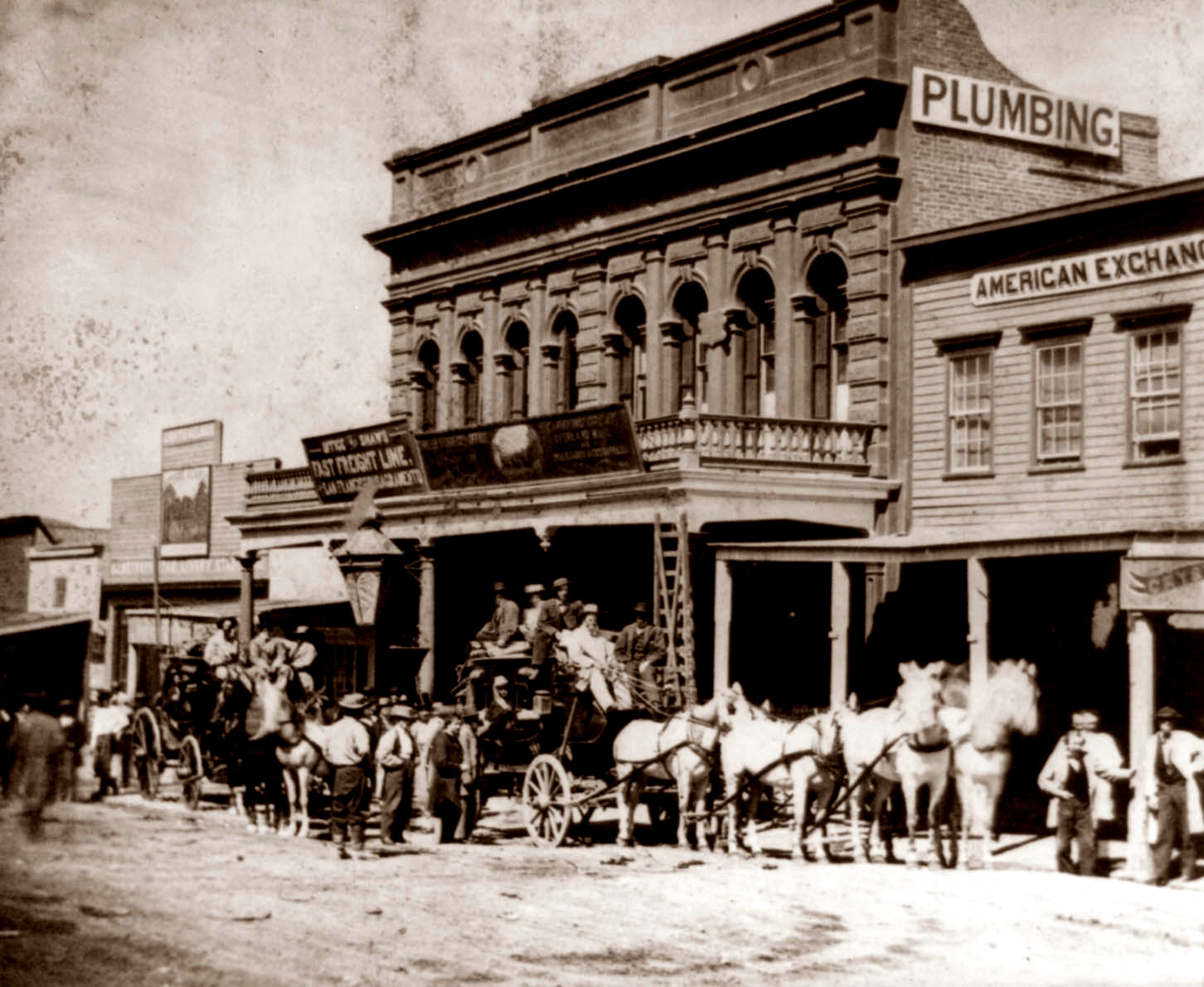

There had been no food in the house for a week. No rice. No fish. No vegetables. The chickens had been killed last season. Even the chickens’ coarse feed was long gone.
Yesterday, Mother found some garbage scraps. Rancid. Smelly. Covered in creatures. She boiled it to make a soup. But not enough charcoal for the fire to heat it. Mother asked the children to eat it. They tried, but soon became sick.
Father had been a relatively wealthy man. In his business, he bought saddles and bridles from the Portuguese traders and re-sold them to the Chinese. His was a well-known business. Many customers came from far away to buy his leather goods. Finely tooled with excellent designs. A quality product for any many who rode a horse.
But Father no longer had money. His business was closed. He had been a man of distinction. A man who made his family proud. No. He was a failure, one who could not feed even his own family.
It was not opium that did him in. No. He never touched the foul weed. He told his children that it was a tool of the demons. A way of draining one’s energy, strength, and character.
His undoing came, rather, from the “numbers room” next to the local opium den. It was, in fact, owned by the same conniving individual. The “numbers room” had a large wooden board with many numbers written on it. Each time a number was drawn, it would be covered by a colored token. Patrons bought strips of paper with numbers printed on it. If the numbers on your paper matched the ones covered by a colored token, you would win.
For years and years and years, Father would visit the “numbers room” and would be blessed with the special gift of luck. He seemed to have fortune in his sleeve. He would win almost every time. Then, one day, the dark forces conspired again. His good fortune turned to bad.
He returned to the “numbers room” the next day, but his misfortune continued. Then, the next day and the next and the next. Then, he had no money. He sold things, but luck never blessed him again.
Finally, he had to leave his lovely home and move to a hovel. He had no pride. He had no business. He had no money. He had no luck. He had no food.
Li Li was the youngest daughter and her father’s favorite. She was small. Yes. But very smart.
Father had nothing else to sell. His two older daughters were already betrothed. One would never sell sons, so Father could not sell his one son. That left only Li Li.
Thus, at age nine, Li Li was sold into slavery. Nearly all the money that Father received for her went to pay his previous gambling debts. The “numbers room” had men who ensured the debts were fully paid.
When most Americans think of slavery, they visualize enslaved Africans toiling on either a cotton or a sugar plantation of the South. Few think of the equally insidious enslavement of young Chinese girls as prostitutes working in the brothels of the West.
Nearly every western boomtown, whether it was a mining town like Virginia City or a cow town like Dodge City or a transportation hub like Denver, had at least one Chinese-owned and operated brothel. Many of these brothels were quite large, some having as many as fifty women working in them. Most operated close to Chinese-owned opium dens and gambling halls. Very few of the customers of these establishments were Chinese men. The “coulee” wages paid to Chinese men were not large enough to afford frequent visits to the oriental pleasure palaces.
This story is based, in part, on the memoirs of Mrs. Lilli Bardie, who came to the West as a sex slave, but eventually became (it is reported) the wealthiest woman in Idaho. She owned mines, an ore-hauling transport company, an ore stamping mill, various hotels and restaurants, and (probably) a string of brothels. Of course, since she was Chinese, she could own none of these in her own name. Her role had to remain hidden. All her properties and enterprises were legally controlled by her personal attorney.
Of all her properties, her favorite was her large ranch on the Salmon River. She asked to be buried there on a hill where she could hear the roar of the fast-moving river.
LISTEN NOW
Lilly
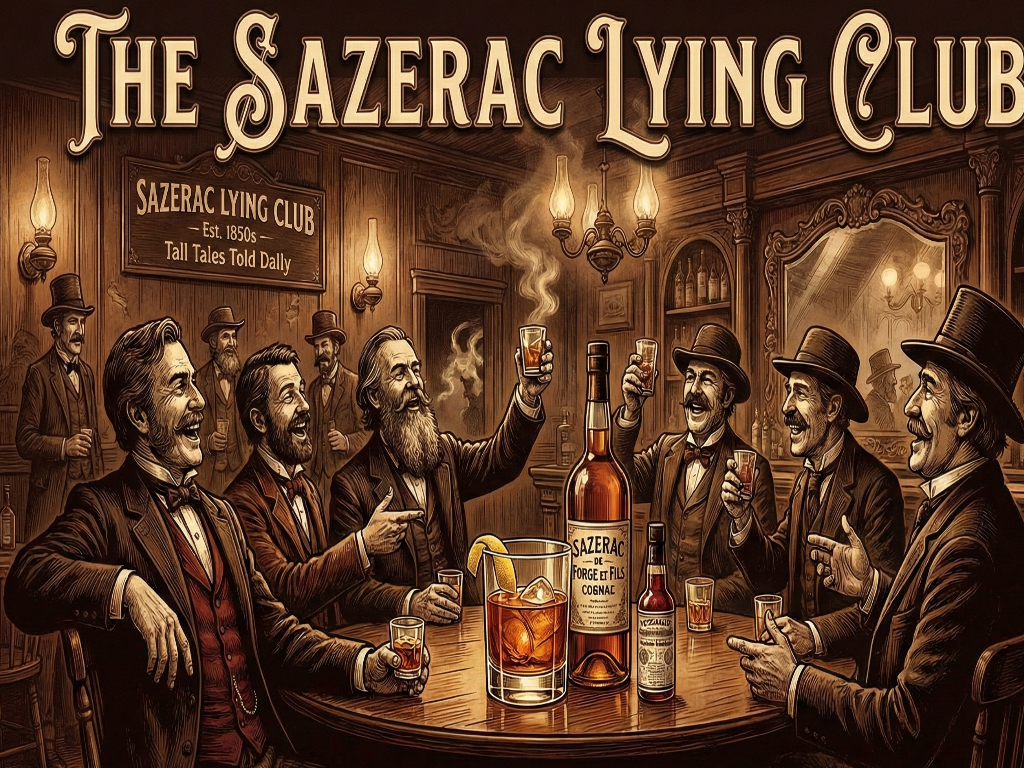
The Night the Truth Walked into the Sazerac
LISTEN NOW
The Night the Truth Walked into the Sazerac

Lysander Bell
Miss Julia
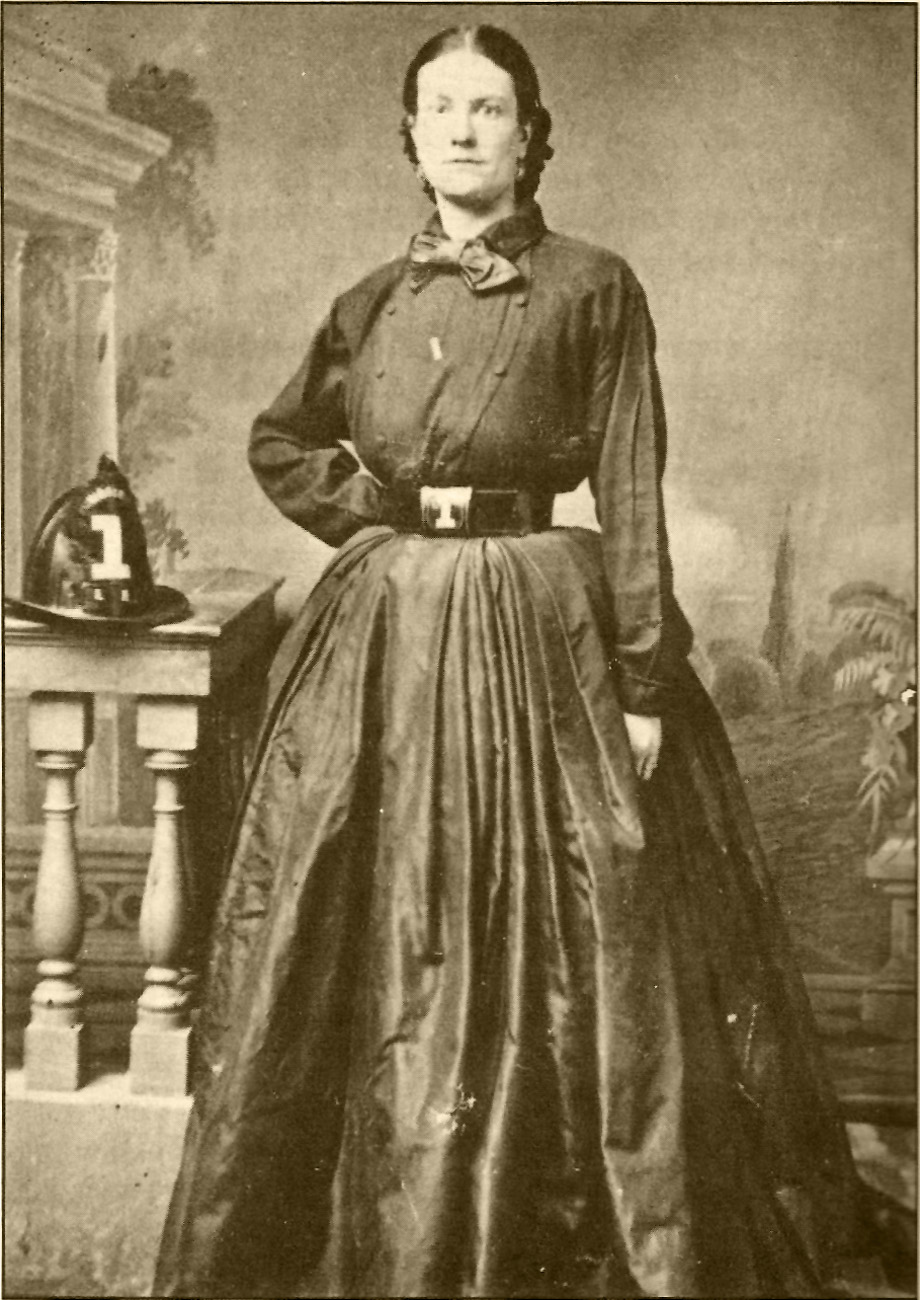
Western writer, Nell Trustmon tells her own version of the murder of Nevada’s most notarious “soiled dove” and reaches some surprising conclusions.
A genuine ghost town murder mystery.
LISTEN NOW
Miss Julia

In this episode, Nell Trustmon tells the story of “George” a western piano man who worked closely with the notorious gambler and boxing promoter, Tex Rickard, who created Nevada’s original “sin city.”
He may have also been the most brilliant sports promoter of his generation, staging the greatest prize fight ever – the September 1906 prize fight between Oscar “Battling Nelson” and Joe Gans.
Rickard’s most audacious pursuit was as the sole promoter of the so-called “Fight of the Century” held in 1910 on July 4 in Reno, Nevada between Jim Jeffries and Jack Johnson. From that one fight, Tex may have made over one million dollars. This was before the income tax, and many of Rickard’s deals were either behind-the-scenes or under-the-table, so no one knows for sure.
LISTEN NOW
The Piano Man of Stingaree Gulch

A collection of audio stories emerging from the culture and the people of the American South.
Day They Hanged an Elephant
Story by Joan Vannorsdall Schroeder First published in the May June 1997 issue of the Blue Ridge Country magazine,available online at blue-ridge-country.com/archive Featuring the Ballad —Mary the Elephant Performed by Chuck Brodsky. From his album Tulips for Lunch. Available through YouTube and Spotify
===========================
Using original source material drawn from the Archives of Appalachia (housed at East Tennessee State University), Joan Vannorsdall Schroeder tells the story of Mary the Elephant who was hung for “murder” in the Clinchfield Railroad Yards in Erwin, Tennessee during September 1916.
Mary was the star of a two-bit traveling circus that toured the reconstruction-era South. Charlie Sparks, the owner of Sparks World Famous Shows, claimed that Mary the Elephant was “the largest living land animal on earth,” three inches bigger than Jumbo, P.T. Barnum’s famous pachyderm. At 30 years old, Mary was five tons of pure talent. She could “play 25 tunes on the musical horns without missing a note.” She was also the pitcher on the circus’ baseball-game gag routine.
Mary was Charlie Sparks’ favorite, his cash cow, his claim to circus fame. She was the leader of his small band of elephants, an exotic crowd-pleaser, an unpredictable giant.
LISTEN NOW
The Day They Hanged an Elephant
Joe’s Cans
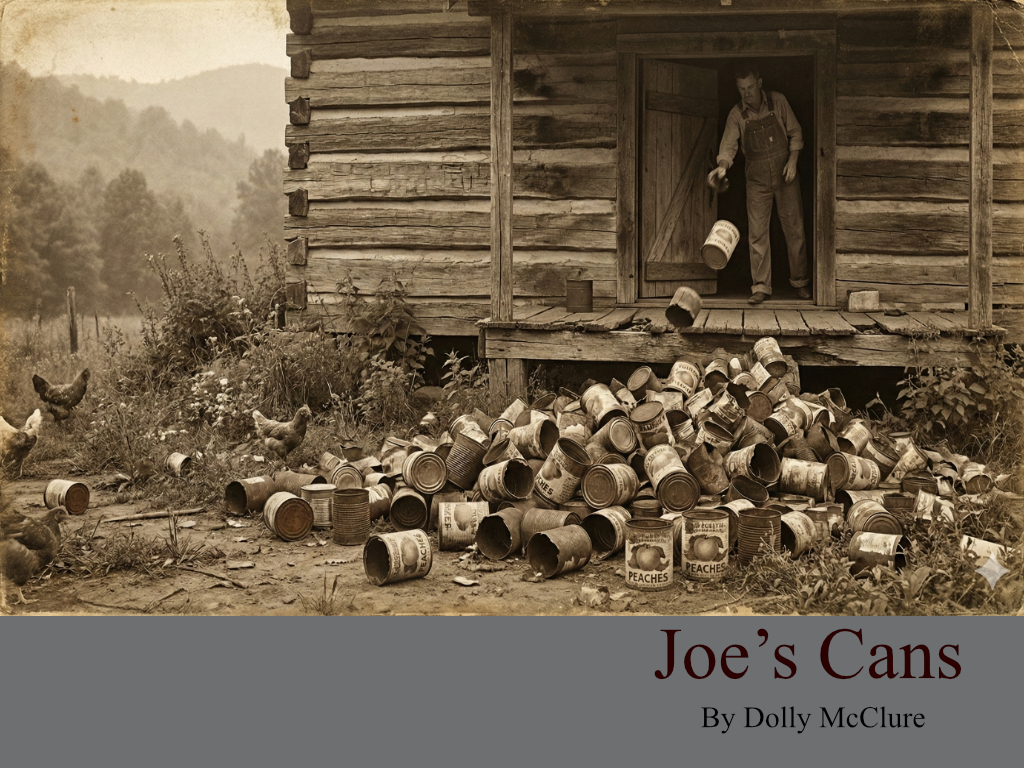
By Dolly McClure
LISTEN NOW
Joe’s Cans

A Perfectly Southern Gentleman
By every available indicator, his father was a true, quintessential southern gentleman, speaking six languages, analyzing the classical thinkers, and even singing opera. He rode horses at breakneck speed, always sitting ramrod straight with his backside welded into his saddle, and could shoot a 45 right through the center of an Ace of Spades at a hundred yards. His genial politeness and courtesy were his ever-present hallmarks. He would turn bright red with embarrassment when any of his Navy buddies told an off-color joke.
A perfectly Southern Gentleman.
“But never once, did he ever talk about what had happened at that North Carolina whorehouse in 1939. I never knew he had killed a man. I never knew that he was still listed as an “escapee” by the New Hanover County Sheriff’s Office, that for over a decade he was listed as one of North Carolina’s ‘most wanted’ criminals.”
LISTEN NOW
A Perfectly Southern Gentleman
Souvenirs I Still Cherish
Helen Stanbery’s Story
Read by Lindsey Beth Hummel
The young couple had just arrived in the Blue Ridge Mountains of North Carolina. They had come from California to teach at the University. They sought property with “character” and with land. They were still amazed by a place with so many trees.
Graduate school and the cross-country move had considerably reduced their financial resources. When the agent showed them the large frame house with its towering trees and historic barn, they fell in love with the property. AND, it was one of the very few they could afford.
It would need some repairs and considerable modernization, but it was still perfect for raising their young sons.
A month or so after they had moved in, the young couple approached the barn. Its upper level was strewn with what looked like historical artifacts, things that seemed from another age. When they looked closely at these items, they found that they were actually souvenirs that someone had purchased. Each had a small tag with a notation written on it. For example, a moth-eaten, feathered Indian headdress said, Sioux Nation, South Dakota. A facsimile of the Declaration of Independence had a tag with Independence Hall, Philadelphia, and a dried-up container said, Salmon eggs, Grand Coulee Dam, Washington.
The family was puzzled. What was this collection? It obviously belonged to someone associated with the house. But who?
Then, carefully organized in a cardboard box, they found a collection of over 100 postcards. The postcards all seemed to be of the same time period, probably late 1930s, and they came from all over the United States. Only two had any writing on them.
One was addressed to Mr. S. O. Stanbery and was signed Helen. It simply said, “mailed package of my souvenirs, hope they arrive safely.” It was postmarked Kalispell, Montana.
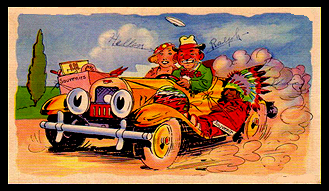
The second was a cartoon postcard of a car loaded with souvenirs. On the front someone had written “Helen” and “Ralph.” The message on the back simply said, “Heading home, S.E. Eggers.” The postcard had been cancelled, but there was no marking where.
The young wife took the box of postcards into the house and placed them in a safe place. Later, she inserted each card into a plastic sleeve. As she looked through them, she wondered, “Who was Helen?”
LISTEN NOW
Souvenirs I Still Cherish
Souvenirs I Still Cherish
Souvenirs I Still Cherish
Souvenirs I Still Cherish
Souvenirs I Still Cherish

A collection of orginal poetry.

This collection is still under construction.

The Carousel Story Collection
A collection of stories featuring the wonder and magic of childhood.

The Balloon Tree
A story by Cle Curbo
It emerged from the ground for the first time. It grew in five years to a height of a two story house. Then, one day in a hot summer, the tree sprouted balloons. These were filled with methane and waved back and forth in the gentle breeze.
LISTEN NOW
The Baloon Tree

Season of Light
By Linda Villatore
Before dawn, I peeked out my bedroom window. All was still.
A sanctifying snow had fallen overnight, blessing the trees, muffling all sound. On that cold Christmas morning, the air was clean, even and calm.
The oddest thing was the light. The trees and misty sky were blurred in powdery blue… everything outside was resting, effervescent and blue.
I opened my eyes wide to a surprising peace, wondering at this blue. I woke my little sister so she could look out with me.
The tranquility was almost blue enough to quell her Christmas excitement. Not quite. Urgent to unwrap presents downstairs, she tugged at my sleeve. “Let’s see what’s under the tree!”
Down we went.
As I had wished, Santa left a heavy box for me. Ice skates!
LISTEN NOW
Season of Light
LISTEN NOW
The New Kid
The Ice Cream Scooper


LISTEN NOW
Special Monkey Magic
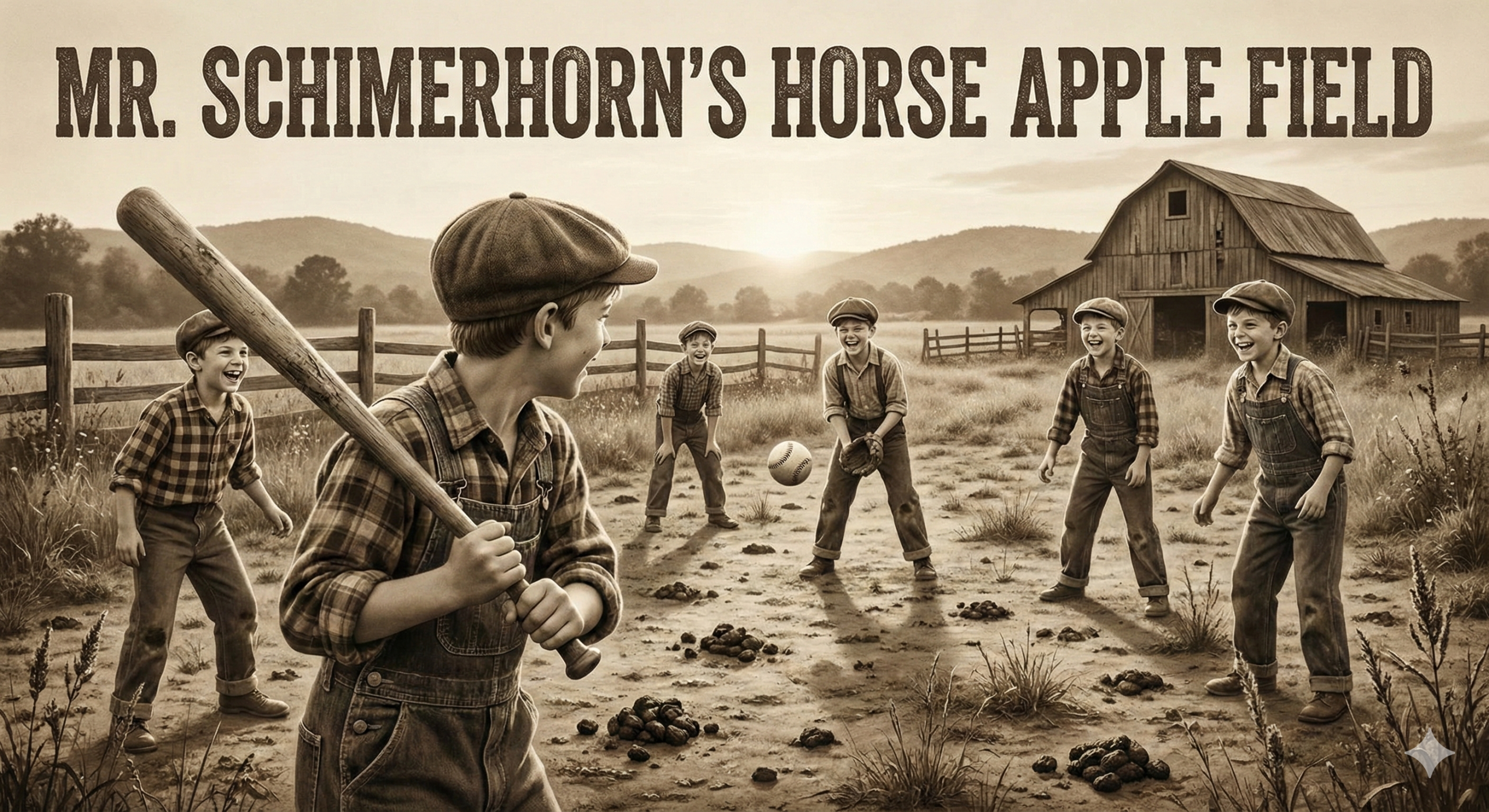
Mr. Schimerhorn’s
Horse Apple Field
Mark Heckey
LISTEN NOW
Mr. Schimerhorn’s Horse Apple Field

Humor Me!
A collection of original stories with a sense of humor.

The art of deception is based on the details.
Of course, having a straight face helps!
LISTEN NOW
The Devil is in the Details

Having a college roomate like Seth is enough to make one commit mayhem.
Two people who could not be more different forced to live together in the same dorm room.
College Humor.
LISTEN NOW
Roomies
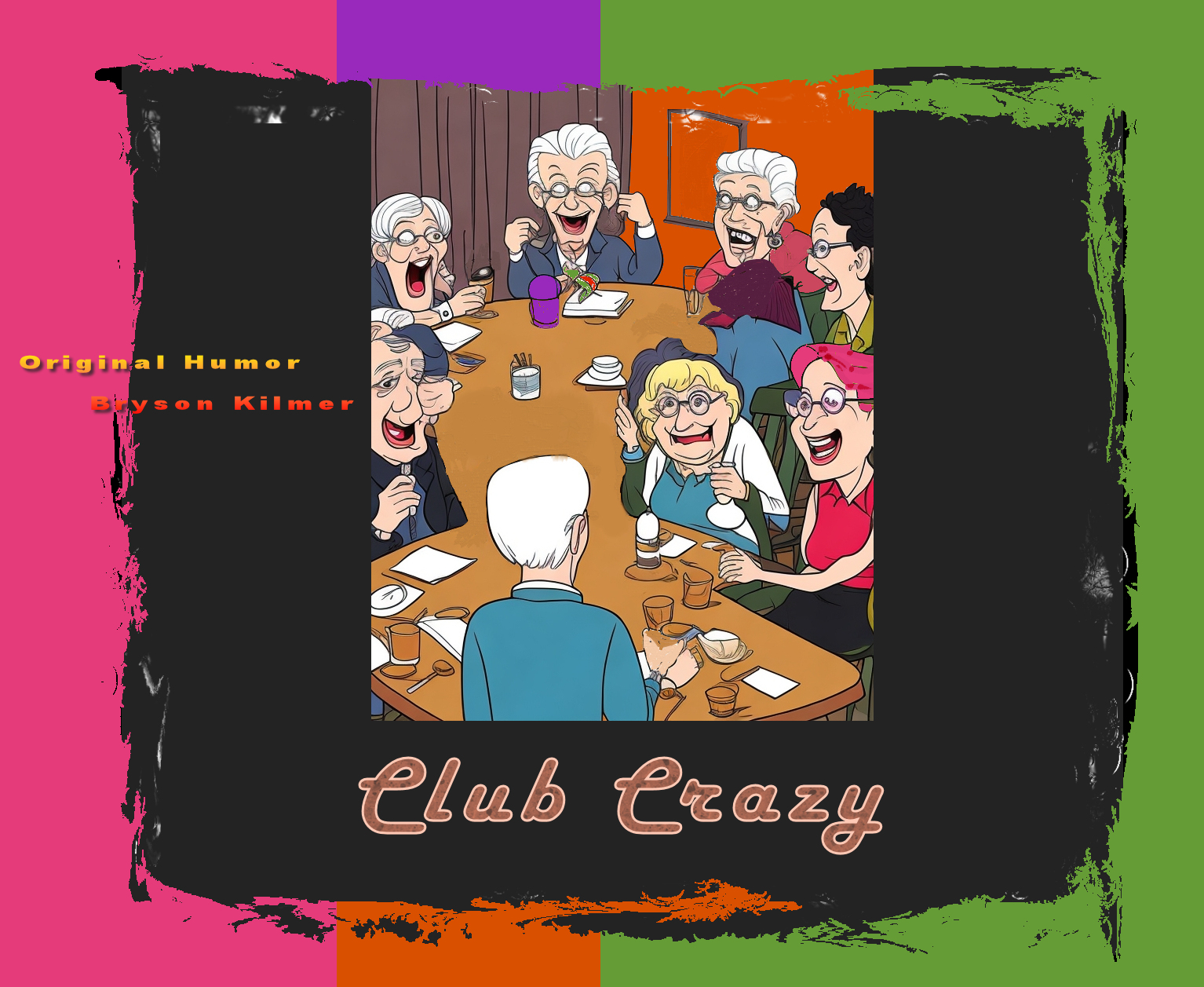
Bryson Kilmer shares an experience of a meeting of One Crazy Club. Humor.
LISTEN NOW
Club Crazy
When there is only one window!
And two women who claim it.
WATCH NOW

WATCH NOW
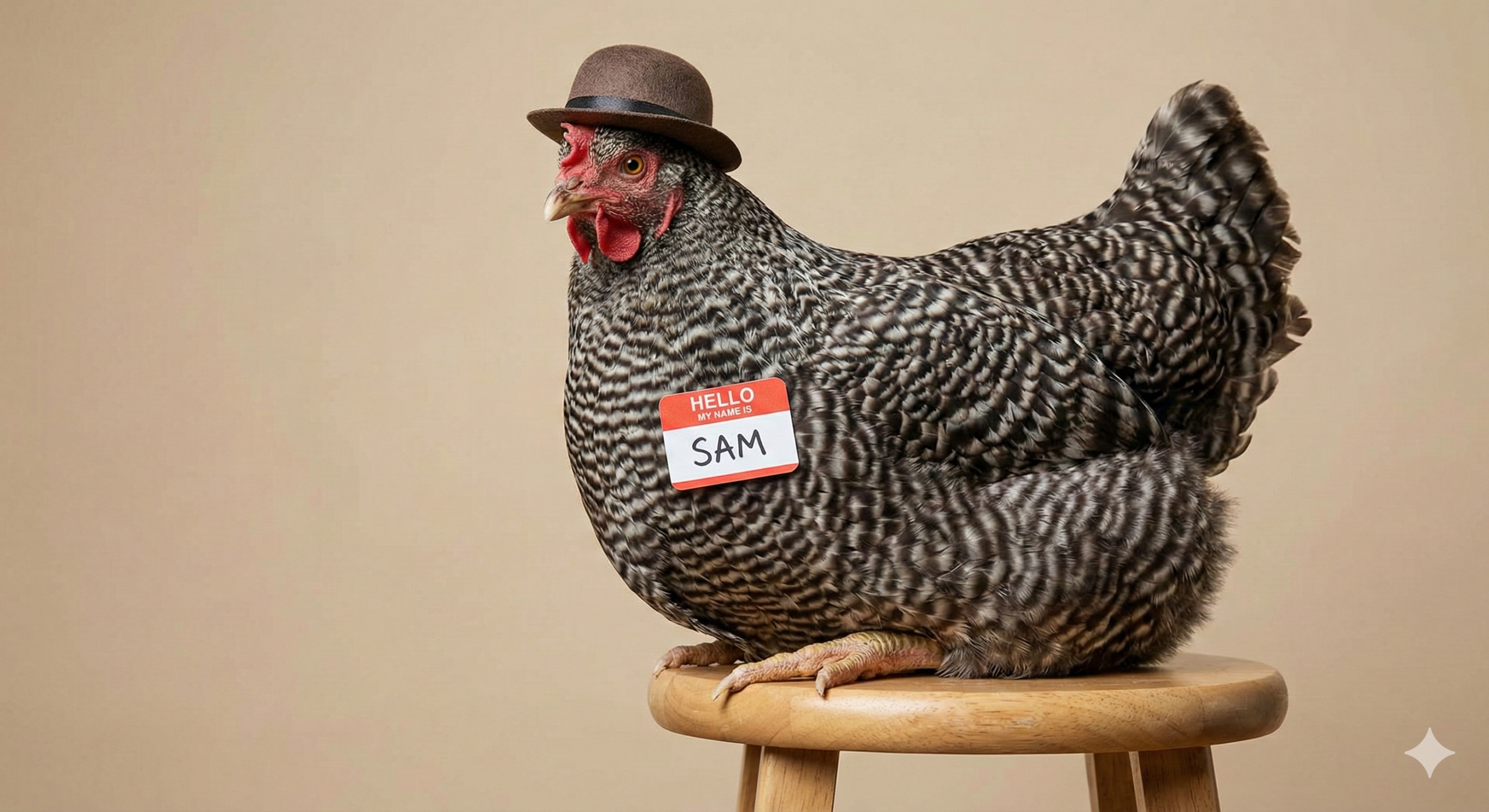
Sam, the Fouled Up Fowl
By Penny Howard
LISTEN NOW
Sam, the Fouled Up Fowl
Broken Tree Tales
A collection of Nell Trustmon’s Western stories exploring now forgotten ghost towns and the personalities who lived there.

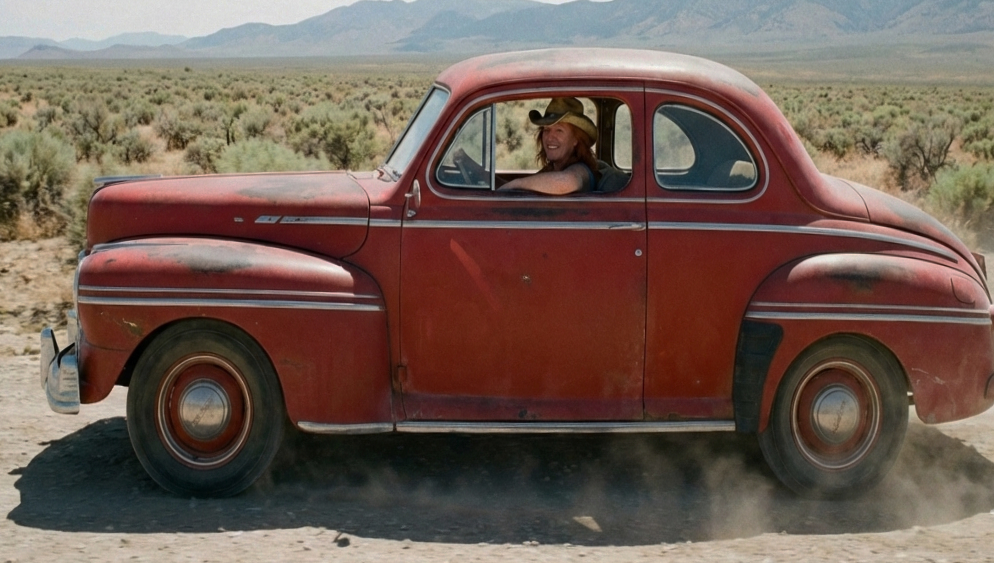
Nell Trustmon Biography Intro


Jonas Chartogaro, a retired government polygraph examiner, interviews spies of the 1940s and 1950s to uncover truth and to detect lies.





The Edith M. Patch Collection
Edith Patch was a consummate naturalist with the voice of a poet whose work resonates particularly well with the ethos of our own time.
===
We share this story collection at the request of our long-time friend Lois Quenten who epitomized Edith Patch’s ethos.